

Trauma is not just something that happens in our minds — it is something we feel in our whole bodies.
What counts as a traumatic experience isn’t necessarily about the event itself, but about how our nervous system responded and coped at the time. When we think of trauma, we often imagine sudden, dramatic events, like car accidents or serious injuries.
But trauma can be much broader. It can include any experience that overwhelms our nervous system and exceeded our ability to cope, leaving us feeling unsafe, disconnected, and overwhelmed.
This might include emotional neglect — for example, having a parent who was unable to meet your emotional or physical needs, or who was unpredictable, highly critical, or withdrew love. Trauma can also include exposure to violence, or environmental events such as natural disasters.
We also have vicarious trauma — trauma caused by witnessing or hearing about trauma experienced by others. It doesn’t need to happen directly to you for it to have an impact.
Trauma Heals Through Mind and Body
Trauma affects both the mind and the body. It can impact the nervous system and the brain regions that help us regulate emotions. Trauma can create an extra-sensitive “smoke alarm” (the amygdala) that gets triggered easily, even in situations that are actually safe. It can also disrupt interoception, which is the brain’s ability to sense what’s happening inside the body.
As a result, people who have experienced trauma often notice that they:
Feel disconnected or emotionally numb
Have difficulty sensing or “feeling” their body
Feel unsafe even in neutral or safe environments
Experience physical symptoms such as chronic pain, tension, migraines, or digestive issues
Effective trauma work addresses both the mind and the body. It helps to restore a sense of safety, reconnect with your body in a safe and supportive way, and build skills to regulate emotions and cope with stress.
Trauma-Informed Yoga
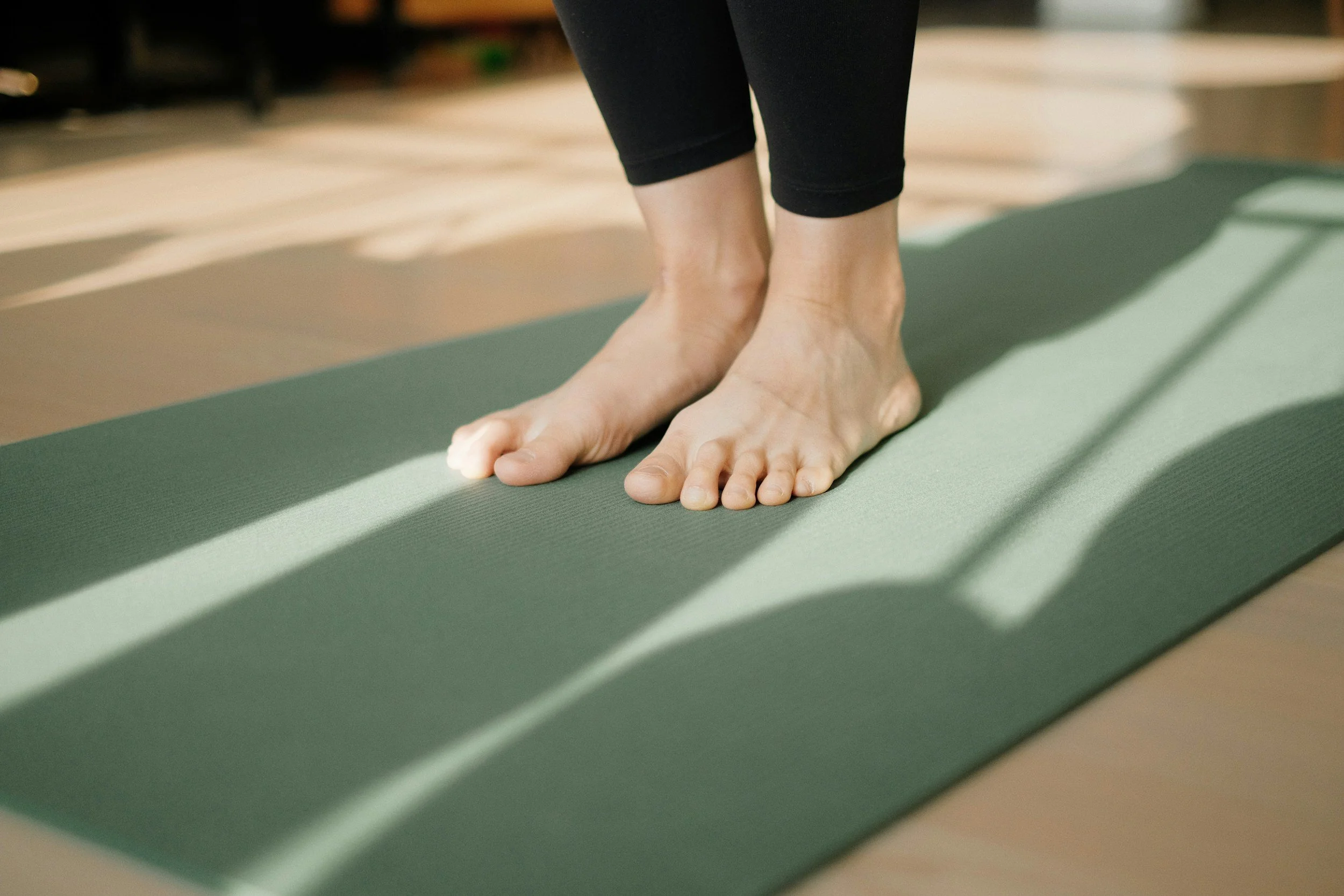
Yoga can be a powerful way to support the nervous system and help the body feel safe and grounded. Traditional yoga, however, isn’t always safe for people who have experienced trauma — certain poses, physical adjustments, or emphasis on appearance can sometimes be triggering.
Trauma-Informed Yoga (TIY) is adapted to prioritise safety, choice, and autonomy. Key features include:
Offering choice in every movement
Using invitational language (e.g., “if it feels comfortable, you might explore…”)
Avoiding physical adjustments or touch
Focusing on how the body feels rather than how it looks
Rebuilding trust in internal bodily cues
TIY encourages gentle, grounded, and non-judgemental reconnection with the body. It helps individuals respond to their internal states rather than react from fear or overwhelm.
What the research shows:
Reduces anxiety, depressive symptoms, and improves sleep in young people who have experienced adversity (Davis et al., 2022)
Reduces stress and PTSD symptoms in survivors of intimate partner violence (Nguyen et al., 2019)
Improves trauma-related symptoms across different populations (Macy et al., 2015)
Increases activation in brain regions involved in emotion regulation (Van der Kolk, 2014)
TIY is most effective when used alongside psychological therapy, complementing mind-body work and supporting emotional regulation (Rousseau & Cook-Cottone, 2018).
Trauma Support: Making Healing Accessible
Here are some practical steps and resources that can help support you:
Seek care that integrates mind and body. Trauma work is most effective when talk therapy is combined with somatic practices, like Trauma-Informed Yoga or other somatic approaches.
Therapy & Psychology. Check your eligibility for rebated sessions. In Australia, Medicare’s Better Access Scheme can cover up to 10 psychology sessions per year. Some private health funds also offer rebates.
Consider insurance schemes for work- or vehicle-related trauma. If your trauma was caused by a work-related incident or a motor vehicle accident, you may be eligible for support through workers’ compensation or compulsory third-party (CTP) insurance administered by SIRA.
Explore complementary practices at home. Trauma-Informed Yoga and somatic exercises can be practiced safely at home or online. Arielle Schwartz, a licensed clinical psychologist, provides a range of accessible videos on trauma recovery, grounding, body awareness, and gentle movement.
This Way Up program. Offers an accessible, structured PTSD program that guides you through evidence‑based modules at an affordable rate. The program is designed to help you understand and work through trauma‑related symptoms step by step, using practical strategies and psychoeducation. https://thiswayup.org.au/what-we-treat/post-traumatic-stress
Resources. There are many fantastic resources from professionals that can support your understanding and healing. Some authors and clinicians you might explore include Gabor Maté, Janina Fisher, and Arielle Schwartz.
Healing is a journey — with the right support and tools, you can reconnect to both your mind and body at your own pace.
